
In the rapidly evolving landscape of commercial real estate and facility management, creating environments that are both energy-efficient and comfortable is paramount. Buildings in the EU and globally account for approximately 40% of total energy consumption . As sustainability mandates tighten and occupant expectations rise, facility managers and architects are turning to innovative solutions. One of the most impactful advancements in this arena is dynamic solar shading—a smart building technology that BMD Materials is proud to champion.By integrating automated shading and controls, large office buildings, industrial facilities, healthcare centers, and educational institutions can significantly reduce energy costs while enhancing the well-being of their occupants. The global automated shading systems market, valued at over $20 billion in 2024, is projected to grow at a CAGR of 9.5% through 2033, underscoring the industry's shift toward intelligent building solutions .
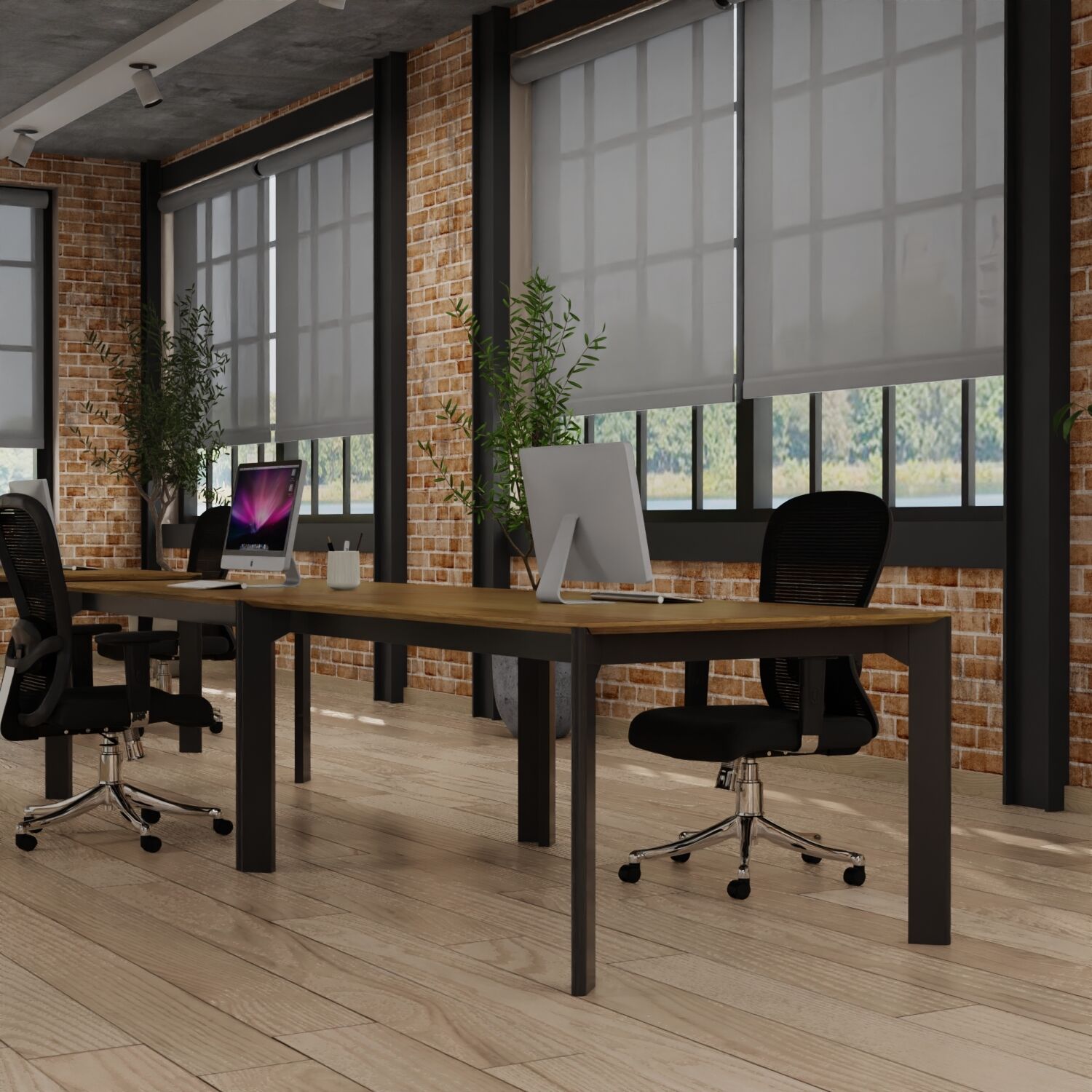
Automated solar shades in a modern office environment enhance visual comfort and reduce glare.
What is Dynamic Solar Shading?
Dynamic solar shading utilizes advanced technology to control external and internal shading devices—such as motorized blinds, roller shades, and curtains—through an intelligent building management system (BMS). These systems receive real-time data from environmental sensors measuring sunlight intensity, wind, temperature, and occupancy.By combining this sensor input with pre-programmed thresholds, the shading system automatically adjusts to optimize the building's facade. This dynamic response manages the energy flow through the glass, preventing excessive heat gain during the summer and minimizing heat loss in the winter.
The ROI of Automated Shading: Energy Efficiency and Sustainability
The financial and environmental benefits of smart shading are substantial. Research indicates that automated solar shading can reduce daily energy consumption by up to 20.5%, and in some optimal configurations, reduce cooling and heating costs by up to 70% .When integrated with a building's HVAC and lighting systems, motorized shades lower the cooling requirements, minimize the risk of glare, and maximize natural daylight. This synergy is critical for achieving green building certifications. Strategically specifying high-performance motorized blinds can directly contribute to multiple LEED credit categories, including Energy & Atmosphere and Indoor Environmental Quality, as well as BREEAM and WELL certifications .
| Benefit | Impact on Commercial Buildings |
| Energy Savings | Reduces HVAC strain; cuts cooling/heating energy costs by up to 70%. |
| Sustainability | Contributes to LEED, BREEAM, and WELL building certifications. |
| Occupant Comfort | Optimizes thermal and visual comfort by reducing glare and regulating temperature. |
| Productivity | Access to natural daylight is proven to boost worker and student performance. |
Sector-Specific Applications for Smart Shading
At BMD Materials, we understand that different commercial environments have unique operational demands. Automated shading solutions can be tailored to meet the specific needs of various sectors.
Healthcare: Enhancing Patient Comfort and Recovery
In healthcare facilities, patient comfort and infection control are top priorities. Smart window treatments offer instant privacy and glare reduction without requiring staff to manually adjust blinds in multiple rooms . Automated blackout shades can be programmed to close during rest hours, promoting better sleep and faster recovery. Furthermore, by regulating room temperature and reducing HVAC strain, hospitals can maintain a stable, comfortable environment for both patients and healthcare professionals.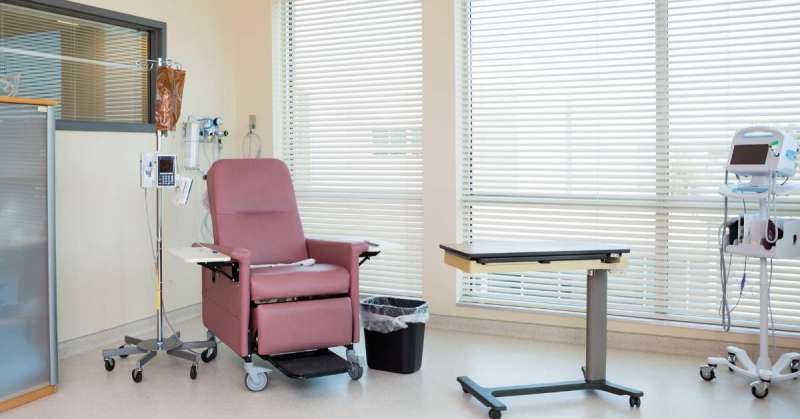
Motorized window treatments in healthcare settings provide instant privacy and optimal light control for patient recovery.
Education: Boosting Academic Performance
Natural daylight has a profound impact on learning. Studies have shown that access to daylight in educational buildings boosts productivity, leads to better academic performance, and positively affects hormonal balance . However, uncontrolled sunlight can cause severe glare on screens and whiteboards. Dynamic solar shading systems in schools automatically adjust to diffuse light, ensuring classrooms remain well-lit and conducive to learning without the negative effects of direct solar heat gain.
Large Offices and Industrial Facilities: Maximizing Productivity
For corporate offices and industrial spaces, automated blinds are revolutionizing the workplace. By eliminating hot spots and reducing screen glare, employees experience less eye strain and fatigue. A holistic approach to solar shading design not only lowers cooling energy demand but also enhances the aesthetic appeal of the building's facade by keeping exterior window treatments uniformly aligned . The integration of these systems into the broader Building Automation System (BAS) allows facility managers to monitor and optimize energy use across entire campuses seamlessly.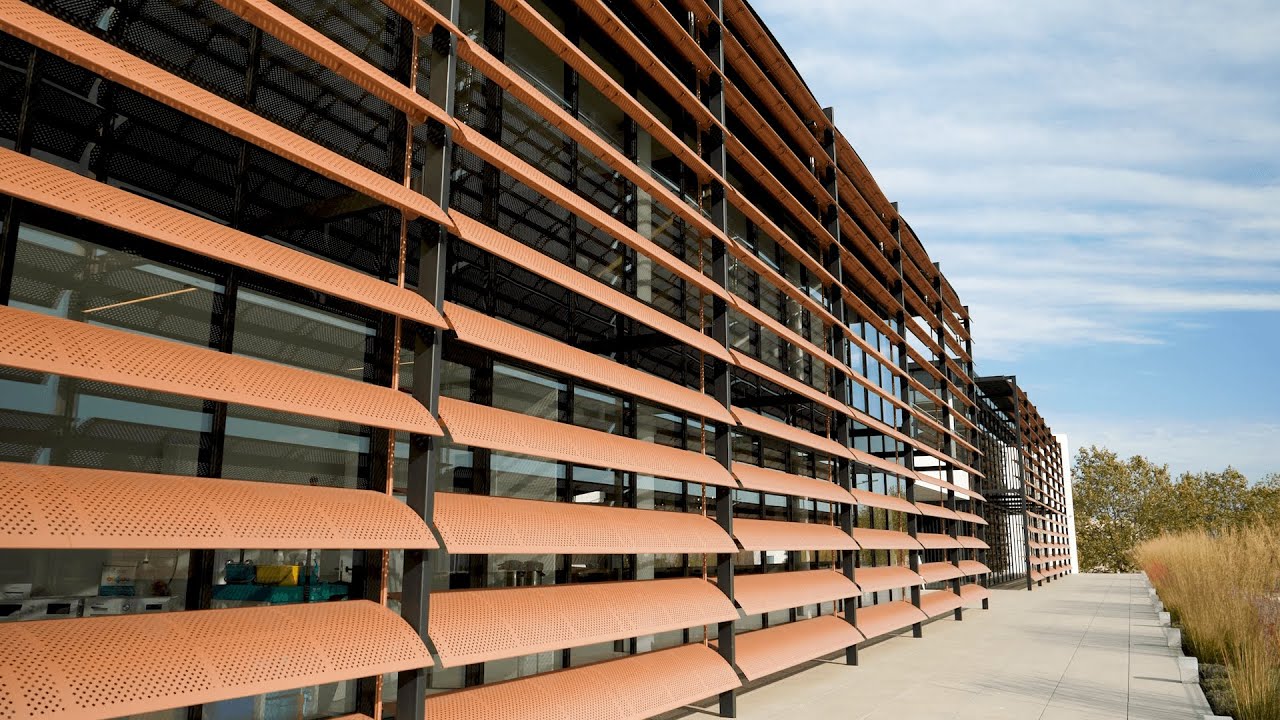
Intelligent external solar shading systems improve energy efficiency while maintaining a sleek architectural facade.
Partner with BMD Materials for Your Shading Solutions
As the commercial sector continues to prioritize smart, sustainable building designs, dynamic solar shading stands out as a vital component. It bridges the gap between environmental responsibility and human-centric design.At BMD Materials, we specialize in providing top-tier commercial interior finishes and construction solutions. We are committed to helping our clients implement cutting-edge shading automation and controls that deliver measurable ROI, elevate building aesthetics, and create superior environments for work, healing, and learning.If you are looking to integrate smart solar shading into your next new construction or retrofit project, our team of experts is ready to guide you from specification to installation.
References
[1] Somfy Systems. "Smart Solar Shading." Somfy Commercial.[2] Straits Research. "Automated Shading Systems Market Size, Share & Trends Analysis Report." Straits Research, May 2025.[3] ScienceDirect. "Assessing the long-term energy performance of automated interior insulating shades." ScienceDirect, Jan 2025.[4] Vela Blinds. "Window Blinds and LEED Certification." Vela Blinds, Jul 2025.[5] BB Commercial Solutions. "Smart Window Treatments in Healthcare: Enhancing Patient Comfort and Staff Efficiency." BB Commercial Solutions Blog, Sep 2025.[6] ChromoGenics. "Solar Control In Educational Buildings – Studies Show That Access To Daylight Improves Academic Performance." ChromoGenics, Jan 2019.